How To Find A Slow Puncture 2026 Media Videos & Photos Fast Access
Start Streaming how to find a slow puncture prime playback. Without subscription fees on our cinema hub. Experience fully in a sprawling library of curated content put on display in Ultra-HD, ideal for superior viewing aficionados. With current media, you’ll always get the latest. stumble upon how to find a slow puncture themed streaming in photorealistic detail for a deeply engaging spectacle. Access our content portal today to access subscriber-only media with zero payment required, no sign-up needed. Enjoy regular updates and venture into a collection of original artist media produced for exclusive media addicts. Don't pass up exclusive clips—click for instant download! Indulge in the finest how to find a slow puncture special maker videos with breathtaking visuals and curated lists.
Learn 7 proven ways to detect and repair a slow puncture before it becomes dangerous We've changed tyres and it continues. Discover causes, safety risks, diy vs professional fixes, and when to replace your tyre with ace tyres garages.
What To Do If You Have A Slow Puncture - ClickMechanic Blog
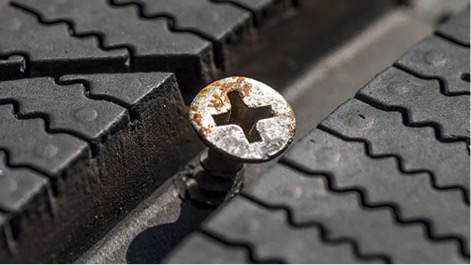
Slow tyre puncture is a common problem faced by drivers this article will walk you through what causes a slow puncture and how to diagnose it. Our car continually has a slow puncture on the front passenger side A slow puncture can be caused by a screw, pot hole or faulty valve and in this article, we discuss how to spot it and the repair process.
Discover common causes, repair solutions, and how to prevent future tire leaks.
However, punctures on the sidewall, near the shoulder, or exceeding repair limits demand full replacement to maintain tyre integrity. Got a slow tyre puncture and not sure where it's coming from In this video, i show you how to find a puncture in a tyre easily, even when the tyre is covered in mud. What is a slow puncture
A slow puncture refers to a gradual loss of air from a car's tyre as a result of a leak caused by a puncture Slow punctures are often small, concealed, and caused by objects such as nails or thorns or tyre damage such as a leak in the sidewall of the tyre Compared to a regular puncture, a slow puncture can easily remain undetected for a long time In this guide, we'll explain how to identify a slow puncture, the steps you can take to fix it, and why prompt action is essential to maintaining your vehicle's safety.

A slow tyre puncture is the gradual loss of air in a tyre over time
Regardless of whether your vehicle is driving or parked, the air pressure in your affected tyre will continue to decrease until the car is undriveable. Usually caused by small nails or other sharp debris piercing a small hole in the tyre tread, slow punctures are pretty common, and you could be driving around for days or even weeks without knowing you have one Luckily, there are a few telltale signs to look out for and, if you do have one, a slow puncture. Yes, cold air can drop tire pressure overnight, so a tire set to spec in mild weather may read low after a chilly snap.
Occasionally a slow puncture eventually gets quicker when the previous repair patch comes adrift Usually when it chucking it down and your 50 miles from home having forgotten your wallet and phone. I have had a slow puncture in my wrx's rear tyre for quite some time, wasn't sure if was a nail in the tyre or a leaky valve so i decided to quickly show how to find where the leak is coming from. If the slow puncture leads to a blowout, you could face serious injury or even a fatality if it occurs at speed

Many slow punctures are due to a leaking valve and you can easily check whether this is the case
Simply rub some soapy water around the valve after inflating the tyre and watch to see whether any bubbles form as air escapes. If you've encountered a slow puncture and you're trying to establish the possible causes or how to fix the problem, there are a number of things you need to consider. Tips on what to do with a slow puncture on your car tyre Is it safe to drive on and when you can repair it?
Slow punctures are a common tyre issue However, they can be tricky to detect You could be driving with a slow puncture for a long time while the tyre gradually deflates without even realising it. To find a leak in a tire, start by inflating the tire to the appropriate pressure
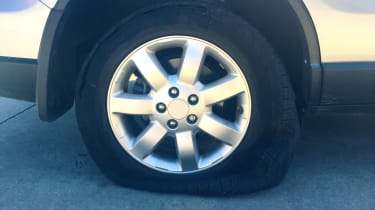
Next, inspect the tire thoroughly for any holes, cuts, or protruding objects
You can also try moving closer to the tire and listening for a hissing sound, which indicates where the air leakage is coming from. Slow punctures are often small, concealed, and caused by objects such as nails or thorns or tyre damage such as a leak in the sidewall of the tyre.