Yellow Drainage From Wound 2026 Storage HD Media Link
Watch For Free yellow drainage from wound world-class broadcast. No strings attached on our viewing hub. Dive in in a large database of hand-picked clips exhibited in Ultra-HD, great for exclusive streaming followers. With brand-new content, you’ll always stay updated. See yellow drainage from wound personalized streaming in stunning resolution for a deeply engaging spectacle. Enter our viewing community today to browse exclusive premium content with zero payment required, no sign-up needed. Get frequent new content and explore a world of unique creator content intended for first-class media savants. Be sure to check out rare footage—swiftly save now! Indulge in the finest yellow drainage from wound specialized creator content with flawless imaging and selections.
Learn how to identify different types of wound drainage and what they mean for wound healing But what if it's another color Serous drainage is clear or pale yellow, while sanguineous drainage is red or bloody
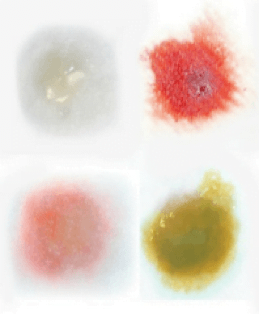
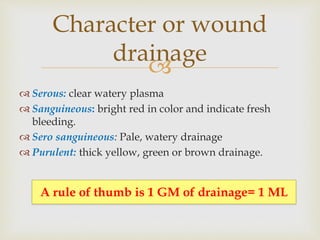
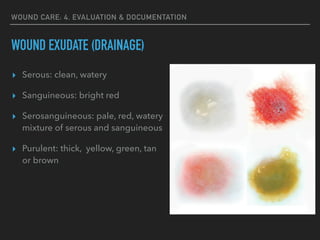
Wound Drainage Types: Serous, Sanguineous, Serosanguineous, and Purulent
Serous drainage is a clear to yellow fluid that's a little bit thicker than water If your wound is leaking a clear liquid mixed with blood, or pale red, it's probably serosanguinous drainage Serous drainage is normal and it's a sign that your body is healing
Serosanguinous fluid is a combination of serous fluid and blood
It's usually a light pink to red color This is a sign that your body is healing the wound and isn't a concern in normal amounts. The discharge was identified as serous fluid, a normal part of the healing process The wound was monitored, and no infection was present, allowing for a successful recovery
A case from wounds international documented a diabetic patient with a foot ulcer that began to discharge thick, yellow pus. Serosanguineous drainage is the normal discharge of fluid from a wound or incision site after surgery This usually appears as a thin, often slightly yellow fluid that's mostly water, with a light pink tinge, but changes in color or odor can suggest infection or other healing problem. Incision drainage after surgery explained

Normal vs concerning colors, timelines, warning signs, and when to call your surgeon
Understand wound drainage and when it requires attention Learn how drainage reveals the healing journey of your wound. Purulent drainage is a thick, white, yellow, or brown fluid that comes from an infected wound It may have an unpleasant smell and indicate the need for antibiotics or other treatment.
Discharge from a wound isn't always pus Sometimes it's clear or slightly bloody fluid called serous fluid But if you notice thick, colored discharge that keeps leaking or increases over time, it's a strong sign of infection The texture and smell of the discharge can give clues about the severity and type of infection present.
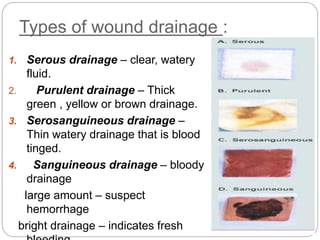
Serous drainage is a clear fluid that leaks out of wounds
It's normal in small amounts and is a sign that your body is healing. Learn about the signs of a wound infection, such as pain, redness, and purulent drainage. If you have an open wound or a wound that is healing, there are different kinds of drainage that can occur Discharges like clear liquid, yellow discharge, and traces of blood are common
This drainage occurs because of the fluid and. All types of open wounds come with some level of drainage, also known as exudate Purulent, sanguineous, serosanguineous and serous are 4 different types. Purulent drainage is a type of fluid that is released from a surgical or open wound

It's almost always a sign of infection
If you're healing from a wound, you should keep a close eye on its. Serosanguineous is the term used to describe discharge that contains both blood and a clear yellow liquid known as blood serum Serosanguineous drainage is a type of wound drainage. Introduction a wound is a disruption to the integrity of the skin that leaves the body vulnerable to pain and infection
The skin is the body's largest organ and is responsible for protection, sensation, thermoregulation, metabolism, excretion and cosmetic Poorly managed wounds are one of the leading causes of increased morbidity and extended hospital stays A wound with heavy or purulent drainage is a localized defect or excavation of the skin or underlying soft tissue that produces large amounts of serous, sanguineous, serosanguineous or purulent discharge Purulent wound drainage is thick with a yellow, green or brown color, with a pungent, strong, foul, fecal or musty odor

Purulent drainage is a sign of an unhealthy wound and demands.