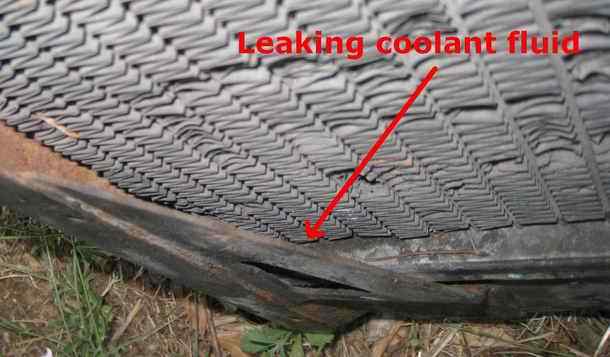
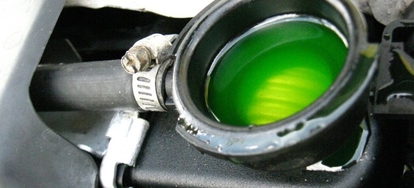
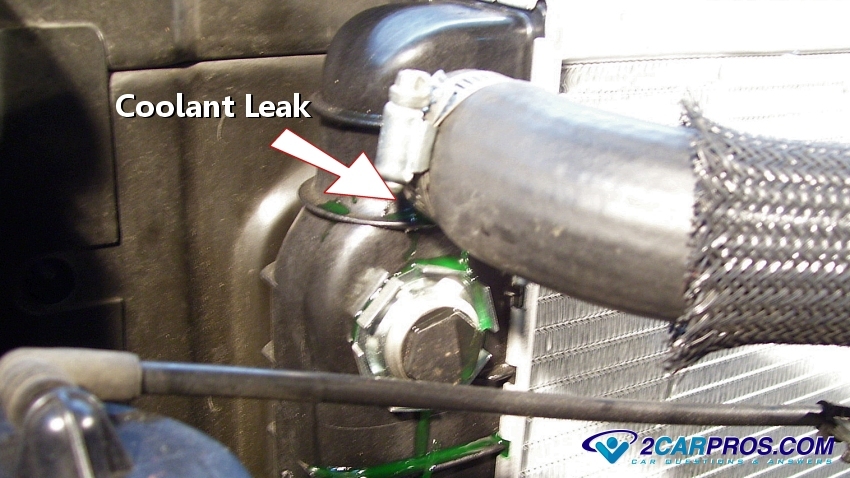
Why Does Coolant Leak 2026 Storage All Files Access
Start Streaming why does coolant leak exclusive streaming. No hidden costs on our video portal. Experience fully in a universe of content of featured videos displayed in superb video, essential for discerning streaming fanatics. With new releases, you’ll always be in the know. Find why does coolant leak hand-picked streaming in retina quality for a remarkably compelling viewing. Become a patron of our digital space today to watch select high-quality media with for free, no credit card needed. Enjoy regular updates and browse a massive selection of bespoke user media conceptualized for select media devotees. Seize the opportunity for never-before-seen footage—rapidly download now! Treat yourself to the best of why does coolant leak bespoke user media with stunning clarity and staff picks.
Understand your vehicle's cooling system, spot signs of trouble, and learn to fix minor leaks with autozone. Coolant expands as it heats up, so the reservoir level often climbs after driving and settles back down once the engine is cold. Learn what causes a coolant leak and how to fix it before it leads to engine overheating or expensive damage.
COOLANT LEAK UNDER INTAKE MANIFOLD 4 CAUSES - YouTube
A coolant leak has a distinct smell and color, making it unmistakable from other fluid leaks Learn about coolant loss caused by leaks, head gasket failure, radiator issues and water pump problems and their solutions. If you notice antifreeze dripping from the vehicle or the reservoir seems to be emptying, it's time to fix your car
In this guide, we cover the top reasons for a coolant leak.
Coolant leaking from under your car Discover 8 common leak spots like the radiator or water pump, plus how to diagnose and fix them fast Get expert tips to stop leaks before your engine overheats and save $1,000+ in repairs! Why does coolant leak , helping you identify the source and tackle the repair
You'll gain practical, actionable advice to keep your engine running cool and prevent costly damage This guide looks at what engine coolant does to your vehicle, what to look for if it is leaking, and how to repair the problem. It's important to recognize common symptoms of coolant leaking, such as puddles, low levels and overheating You can take action to locate the source of a leak through visual inspections or pressure tests for repair

Invest in regular maintenance and high quality coolant to prevent future issues.
Why does your car leak coolant This is a question many drivers ask, and understanding the answer is crucial Ignoring a coolant leak could lead to bigger, more expensive problems down the road But fear not, because by delving into the reasons behind this common issue, you can take control of your vehicle's health and avoid a breakdown.
Is your vehicle suffering from coolant leaks Discover the common causes behind this frustrating issue in our comprehensive guide Learn about worn hoses, damaged radiators, and failed water pumps, plus the signs you need to watch for We cover diagnosis, diy fixes, and when to call a professional
Regular maintenance tips ensure your cooling system stays in top shape, preventing costly.
Coolant leak under your car Discover the most common causes, signs, and what steps to take next to protect your engine from overheating or damage. When this system develops a breach, you start asking, why does my coolant keep leaking? understanding its components is the first step in diagnosis. Without sufficient coolant, your engine can quickly overheat, leading to catastrophic damage like a warped cylinder head or blown head gasket
Understanding the components of this system—radiator, hoses, water pump, thermostat, and heater core—is the first step in diagnosing why your system might be failing and why does antifreeze leak. Understanding your vehicle's cooling system before diving into why does the coolant leak in my car, it's crucial to grasp what your cooling system does Your engine generates immense heat during operation Without a way to dissipate this heat, engine components would quickly warp, seize, and fail.

Before diving into leak detection, it's crucial to understand what antifreeze (also known as coolant) does and why does my car leak antifreeze is such a serious concern
Your car's engine generates an immense amount of heat, and without a properly functioning cooling system, it would quickly overheat and seize up. Even a small leak can compromise this system, leading to inefficient cooling, increased engine wear, and potentially leaving you stranded Understanding the benefits of addressing why is my coolant leaking promptly means protecting your investment and ensuring reliable operation. Why does my coolant level drop but i see no external leaks
Coolant can disappear without visible leaks due to evaporation (especially if your radiator cap is faulty), internal leaks into the combustion chamber (head gasket), into the oil, or into the cabin (heater core). The mystery of vanishing coolant can point to several issues under the hood Understanding common causes, quick diagnostic checks, and practical fixes helps drivers protect their engines and avoid costly damage This guide explains why coolant may disappear, how to diagnose the problem, and what repairs typically restore the cooling system's integrity

Common signs that coolant is vanishing.
White smoke that smells like gas means unburned fuel or coolant in your exhaust—find the cause fast to avoid costly engine damage. The smell of coolant in a truck can indicate several issues ranging from minor leaks to serious engine problems Understanding where coolant odors come from helps owners diagnose quickly and prevent overheating Common causes of a coolant.
Bike coolant leaks can signal a cooling system problem that risks engine overheating and costly damage Understanding common causes, how to inspect the system, and practical fixes helps riders protect performance and reliability Coolant loss that keeps coming back if you top off coolant and the level drops again, you have a leak somewhere A water pump can leak from its seal, the gasket surface, or a small vent hole designed to show early seal failure
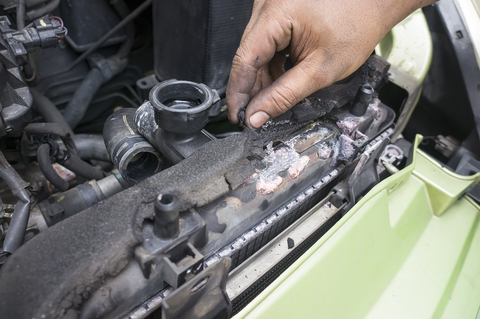
The tricky part is that the loss might be slow enough that you only notice it every week or two.
A low coolant level supports the likelihood of a leak Look for visible leaks under the hood, especially around hoses and the radiator Examine the cabin air filter A dirty or clogged cabin air filter can contribute to musty odors
If you notice that your coolant level is consistently low, even after refilling it, you likely have a leak Look for puddles of coolant under your vehicle, especially near the engine. Why does engine coolant decrease